Transformer Assembly Installation
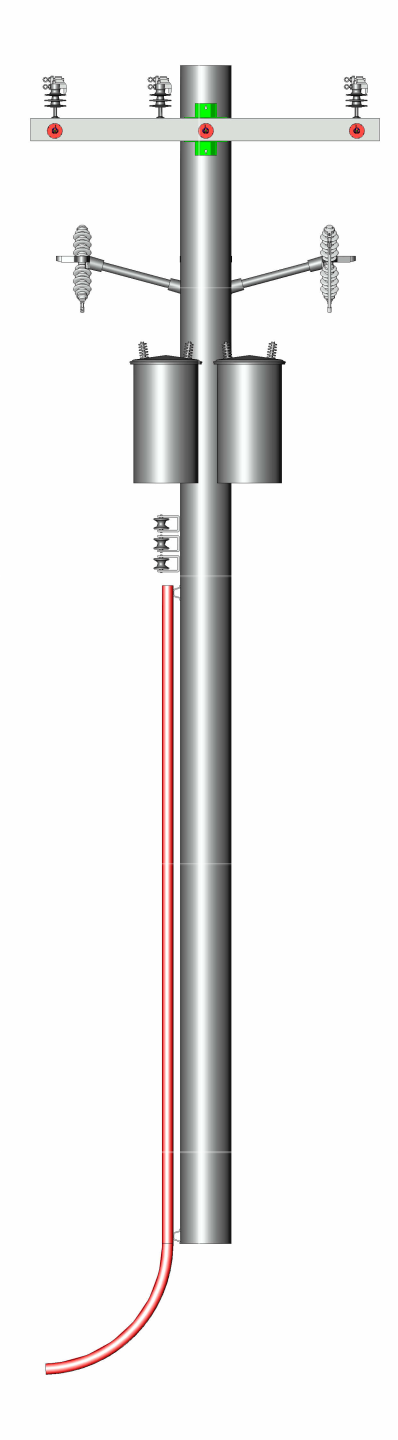
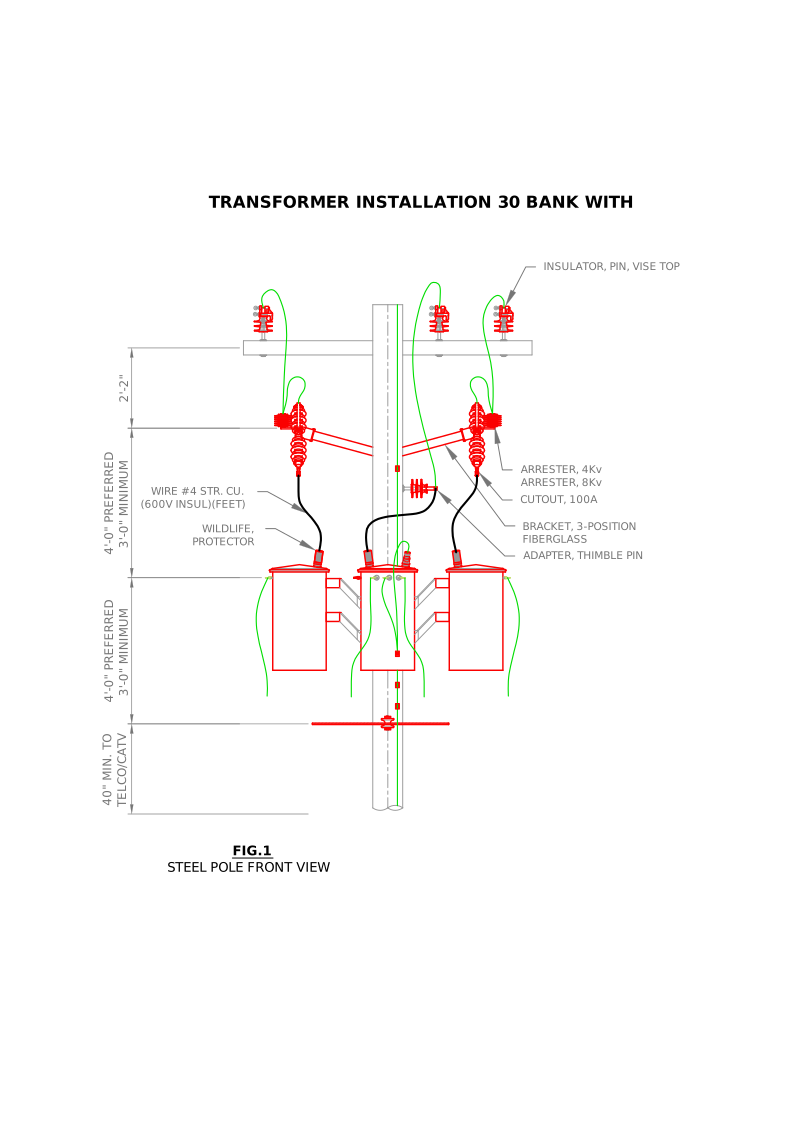
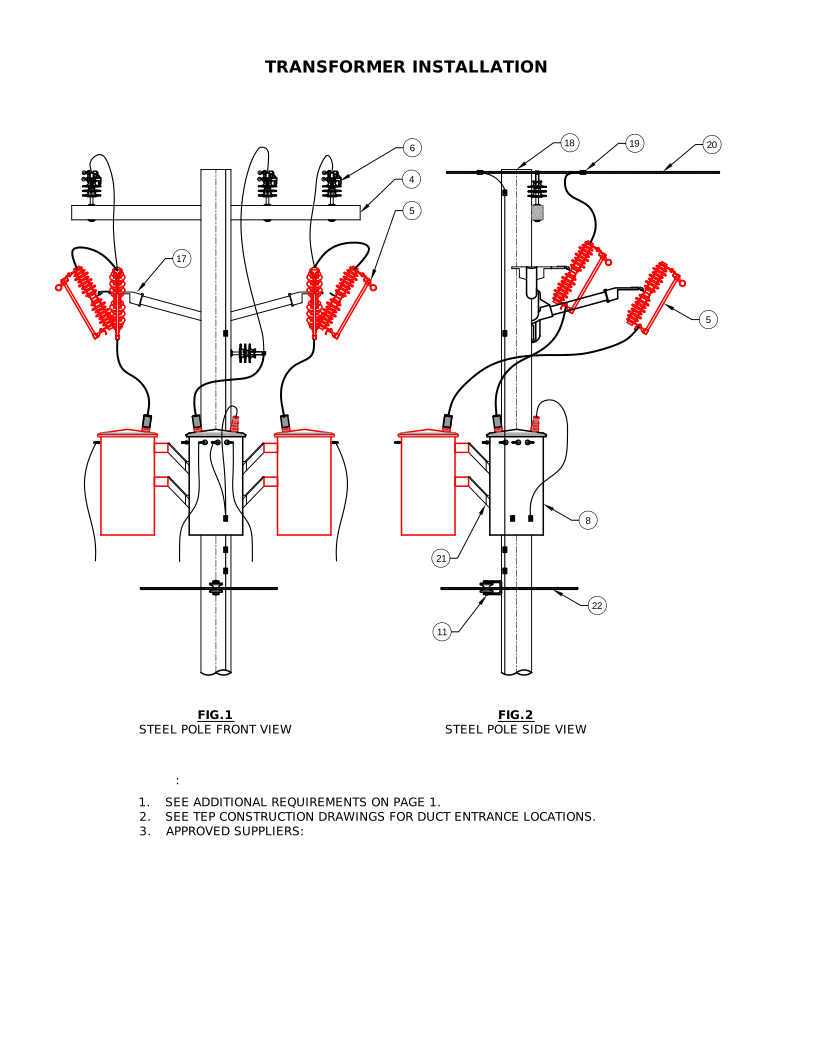
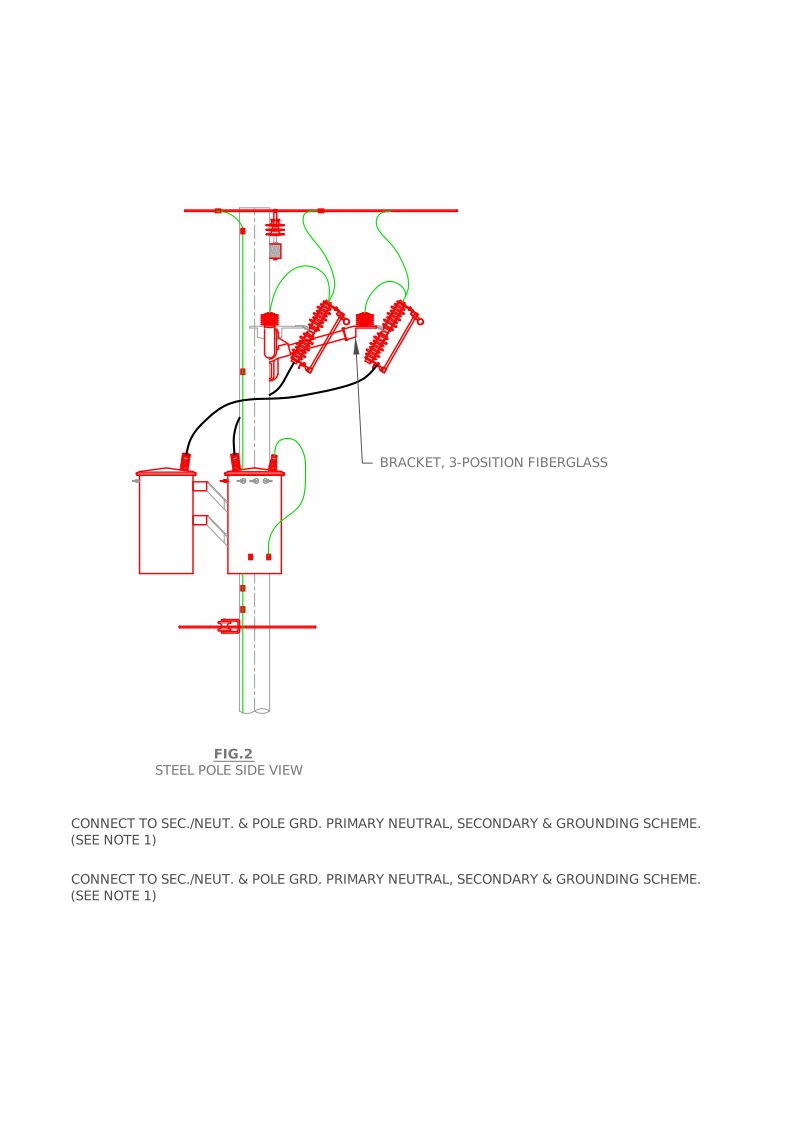
Pole Transformer Assembly – Training Spec Description of Work Install a new single-phase pole-mounted distribution transformer with associated primary protection, mounting hardware, and secondary support components. The installation supports an overhead primary system and may include protection for underground riser cables. All work follows standard electric utility construction practices and ANSI/IEEE hardware requirements. Major Materials and Functions Distribution Transformer Purpose: Reduces primary distribution voltage to secondary service voltage Voltage Class: Typically 15 kV class Cooling: Oil-filled, self-cooled Mounting: Pole-mounted Fluid Options: Mineral oil or fire-resistant natural ester fluid Optional Protection: Primary fuse or breaker Secondary breaker (small kVA units) Internal or external low-voltage surge protection Surge (Lightning) Arrester Purpose: Protects transformer and conductors from lightning and switching surges Application: Riser poles or transformer primary protection MCOV: Approximately 15.3 kV (system dependent) Construction: Polymer-housed metal oxide varistor Mounting: Pole or crossarm mounted using standard brackets Primary Cutout and Mounting Bracket Purpose: Provides fused primary protection and visible disconnect Mounting: Crossarm or pole Typical Features: Fits common crossarm sizes Steel or aluminum construction Uses 3/8-inch galvanized mounting hardware Fasteners and Hardware Bolts: Hex bolts used for pole and equipment mounting; typically ASTM A307, hot-dip galvanized Nuts: 5/8-inch lock nuts; all-metal locking type preferred for outdoor utility use Secondary Support Hardware Clevis Brackets: Used for secondary deadend support; minimum strength 4,000 lbs; galvanized steel construction Spool Insulators: Porcelain or polymer; used on neutral and secondary conductors Training Key Points Not all protection options are installed on every transformer Hardware must meet utility and ANSI/IEEE standards High-strength automotive bolts are generally not used in pole construction Equipment selection depends on system voltage, location, and safety requirements